The HOMIYAH initiative is the outcome of a joint effort by leading institutions in the field of trauma treatment in Israel and elsewhere, headed by “Shalvata” Mental Health Center and Columbia University, New York
The program’s leaders and trainers include:
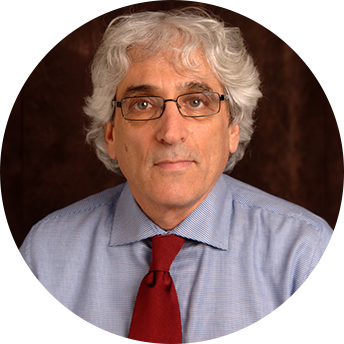
Prof. Yuval Neria directs the Mental Trauma and Post-Traumatic Stress Disorder Program at the Psychiatric Hospital of New York and Columbia University, where he is a professor of clinical psychology in the Department of Psychiatry. Neria earned a bachelor’s degree in psychology from the Hebrew University of Jerusalem in 1977, a master’s degree in 1982, and a doctorate in psychology from the University of Haifa in 1994. He taught at Tel Aviv College University until 1999. He then spent a sabbatical year at Columbia University in New York, where he lives. Among his most prominent studies are those on Israel Defense Force (IDF) prisoners of war, and the impact of the September 11 attacks on New York City residents. In this field, which is of direct relevance to the field of trauma in following a large-scale disaster, Prof. Neria published some 50 studies in the leading press in the field.
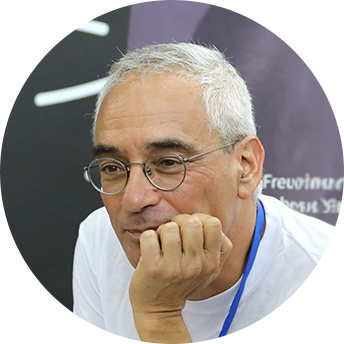
Prof. Shlomo Mendlovic is the Director of the Shalvata Mental Health Center and is a clinical associate professor at Tel Aviv University Faculty of Medicine. He graduated from the Weizmann Institute of Science with degrees (M.Sc., Ph.D.) in chemical immunology and then completed his medical studies at the Faculty of Medicine at Tel Aviv University. He specialized in the Shalvata Mental Health Center and served there as the Head of Da department head. Since 2018, he has been the Director of the Center. He was the head of the Psychotherapy Program at the Faculty of Medicine at Tel Aviv University. He was Commander of the IDF Facility for Treating Combat Post-traumatic Stress Disorder, PTSD) and founded the “Combat PTSD Diagnosis Center”, which operates with support from the Israel Defense Forces as a unit specializing in this field.
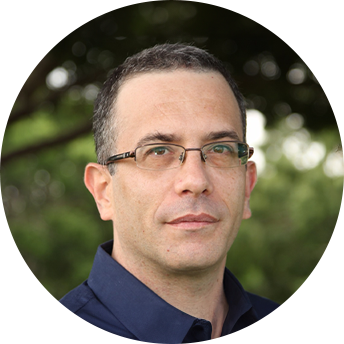
Dr. Ido Lurie is a psychiatrist and psychotherapist, head of the adult clinic at the Shlavta Shalvata Mental Health Center, and Chair of the Israeli Community Mental Health Society in the Medical Association. He was one of the founders of the psychiatric clinic of the open clinic for migrant workers and asylum seekers of Physicians for Human Rights-Israel Association and the first director of the “Gesher” clinic -– a psychiatric clinic for asylum seekers and victims of human trafficking of the Ministry of Health. He has served as a mental health consultant to the United Nations Commission in various fields. Prof. Lurie is a senior lecturer in the Department of Psychiatry at Tel Aviv University’s Faculty of Medicine and an external lecturer in the Department of Epidemiology and Preventive Medicine at in this faculty.
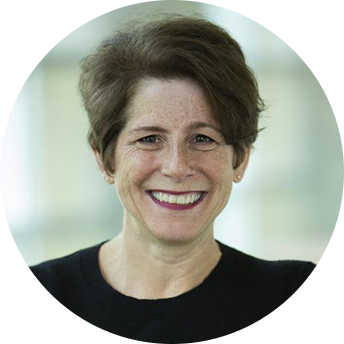
Prof. Lisa Brenner is a psychologist and professor of psychiatry, neurology and physical medicine and rehabilitation at the University of Colorado. She directs several research programs and large-scale clinical treatment programs. Prof. Brenner is a Fellow of the American Psychological Association (Division 22, Rehabilitation Psychology). Her primary research areas are traumatic brain injury, comorbid psychiatric disorders, and suicide. She is the Director of the Research Division of the American Suicidality Association and co-editor of the Journal of Head Trauma Rehabilitation. Dr. Brenner has a large number of selected publications and serves on national committees in the area of trauma and its treatment.
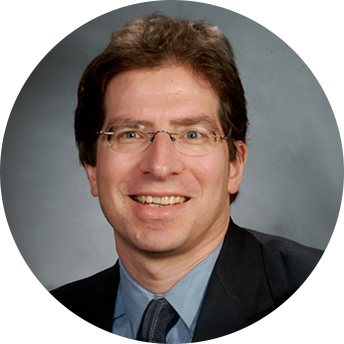
Prof. John Markowitz is a professor of clinical psychiatry at the College of Physicians and Surgeons at Columbia University (New York) and a research psychiatrist at the New York State Psychiatric Institute. For several decades, he conducted research on psychotherapies and medications for the treatment of mood disorders (major depression and dysthymia), anxiety disorders, personality disorders, and, in recent decades, PTSD). His main publication is in the field of interpersonal psychotherapy (IPT). Prof. Markowitz is a graduate of Columbia University and Columbia College of Physicians and Surgeons and received his psychiatric residency training at the Payne Whitney Psychiatric Clinic at Cornell University Medical School/New York-Presbyterian Hospital.

Prof. Milton Wainberg is a professor of clinical psychiatry at Columbia University/New York State Psychiatric Institute. His research aims to implement and disseminate effective, scalable, and sustainable interventions to narrow the gap between the world of research and the world of treatment. His research interests include applied research in mental health and various physical illnesses or addictions. He has extensive clinical, research, and teaching experience and specializes in short-term, evidence-based interventions for the treatment of various mental disorders.
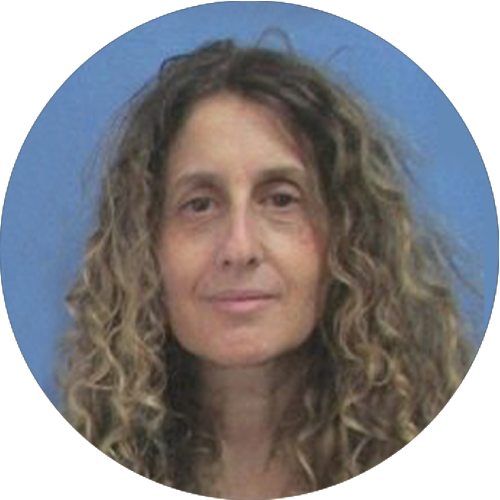
Dr. Nitsa Nacasch-Axelrod is a psychiatrist and director of the Dror Clinic, specializing in cognitive behavioral therapy (CBT) and research. She has served as senior psychiatric doctor in the trauma unit, working with both IDF personnel and civilians. She received residency training in the Anxiety Treatment and Research Center, University of Pennsylvania, using the method of prolonged exposure (PE) for PTSD sufferers, while also treating OCD and anxiety disorders. Dr. Nacasch-Axelrod has conducted workshops for treatment by PE in Israel and elsewhere, and has counselled therapists in the field. She is a member of the committee outlining guidelines for treatment of PTSD for the Ministry of Defense. She authored the book Treatment of Post Traumatic Stress Disorder Using Prolonged Exposure, contributed chapters on cognitive behavioral therapy for PTSD in a number of books, and published articles on the subject.

Dr. Rafaeli is an expert clinical psychologist in Israel and New York. She is a founding member of the Israeli branch of the International Organization for Interpersonal Therapy (ISIPT), a recognized instructor and trainer in interpersonal psychotherapy (IPT) by the organization, and a member of the International Accreditation Committee of ISIPT. She was guided in the approach at the Psychiatric Institute of the State of New York affiliated to Columbia University, in particular in working with adults suffering from PTSD (with Prof. John Markowitz), and with youths suffering from depression (with Prof. Lena Verdeli). She has experience as a therapist and instructor in a large number of adaptations of the IPT approach, including working with adolescents (IPT-A), with groups (IPT-G), with post-trauma (IPT-PTSD) sufferers, and with individuals suffering from bipolar disorder (IPSRT – Interpersonal and Social Rhythm Therapy). She serves as an instructor and master co-trainer in a joint program of Columbia University and the World Health Organization (WHO), which promotes the spread of the IPT approach in developing countries. She has published theoretical articles and case studies of IPT treatments. Currently, she is spearheading development of an interpersonal counselling (IPC) protocol adapted for use on university students. Former Director, Chief Psychologist, and Training Coordinator of Psychological Services at Ben-Gurion University, Dr. Rafaeli is now devoting herself full time to consultation and new dissemination initiatives across the country, implementing IPT and related evidence-based practices in the treatment of trauma.
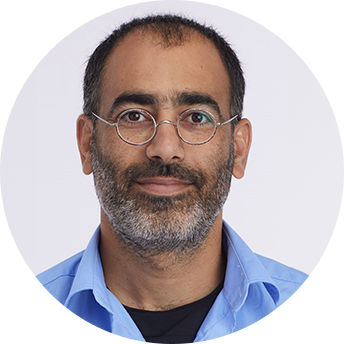
Prof. Yossi Levy-Belz, a senior clinical psychologist, is the Director of the Lior Tsfaty Center for the Study of Suicidality and Mental Pain at the Ruppin Academic Center. He is a board member and head of the research unit of the “For Life” Associationassociation. Chairman of the Lobby for Suicide Prevention at the Academy. Member of the National Council for Suicide Prevention and senior advisor in the National Suicide Prevention Program. Longtime researcher, therapist, counselor, and lecturer in the areas of resilience and growth, mental pain, suicide prevention, and family support in various public, private, and government settings. Published over one hundred articles in scholarly journals in the areas of suicide prevention, psychological injury, and growth from crisis. Editor-in-chief of “Illuminating the Mountains of Darkness: Suicide among Teenagers” and the new book “Under the Black Sky” – Conversations about Mental Pain, Suicide, and Hope.

Ms. Attias Almagor holds a Master’s degree in Community Mental Health from Haifa University. She is engaged in Psychiatric Rehabilitation in the Community and in Illness Management and Recovery (IMR). She is active in the fields of mental health innovations and in stigmas’ reduction. She was previously engaged as a municipal spokesperson, while also being responsible for fundraising, public relations and media crisis management. In addition, she holds Bachelor’s and Master’s degrees in Communication from Tel Aviv University.

Prof. Doron Amsalem, a child and adolescent psychiatrist, is a member of the psychiatric staff and research scientist in the New York State Psychiatric Hospital, and in the Department of Psychiatry, University of Columbia. He did specialized internship at the Sheba Medical Center, Tel Hashomer, and completed a clinical internship in treatment of PTSD at the University of Columbia, New York State. His research studies address the development and measurement of the effectiveness of short video-based interventions in order to reduce stigma towards psychiatry and enhance accessibility to mental care.